Coupled modelling
A coherent representation of the vessel, propeller, engine, energy systems and their interactions.
Research · Engineering · Maritime
OceanEngine develops advanced simulation methods to analyse the interactions between a vessel, its propulsion system and its operating conditions. We help maritime stakeholders compare configurations, explore scenarios and better understand the implications of their technical and energy choices.
A deeptech project built on marine propulsion research at Centrale Nantes.
Discuss a use caseOur approach
Vessel performance depends on interactions between the hull, propeller, engine, energy systems, controls and marine environment. Our multiphysics approach examines these interactions under steady-state and transient conditions to reveal trade-offs that simplified or isolated models may not capture.
A coherent representation of the vessel, propeller, engine, energy systems and their interactions.
Analysis of propulsion-system behaviour as load, speed, sea state or operating conditions change.
Scenario comparison and translation of simulation results into actionable indicators, conclusions and recommendations.
Who is it for?
OceanEngine seeks to collaborate with organisations facing decisions about the architecture, integration, operation or transformation of marine propulsion systems.
Assess propulsion, retrofit or operational options before committing to major investments.
Complement the design process with dynamic system analysis and anticipate interactions between equipment.
Study how equipment or an energy innovation integrates into the complete propulsion system.
Use cases
Our approach does not impose a standard solution. Each study starts with a vessel, configuration or problem defined together with the partner.
Study thermal, hybrid or electric configurations, including those combined with wind-assistance technologies.
Analyse the technical and energy implications of changes to the engine, propeller, storage, auxiliaries or control strategy.
Observe system behaviour as load, speed, sea state or mission conditions vary.
Reveal interactions between consumption, power, engine dynamics, operational constraints and propulsive performance.
Vessel, system, available data and question to address.
Select the relevant level of detail and integrate the components.
Compare the selected configurations and operating conditions.
Indicators, comparative results, limitations and technical recommendations.
Scientific foundations
OceanEngine builds on several years of research into the dynamic modelling of marine engines and coupled engine–propeller–vessel systems. This work has examined propulsion-system behaviour in sea conditions and the influence of control strategies on performance.
The research is now being extended towards engineering applications and collaborations with maritime-sector organisations.
The team

Co-founder
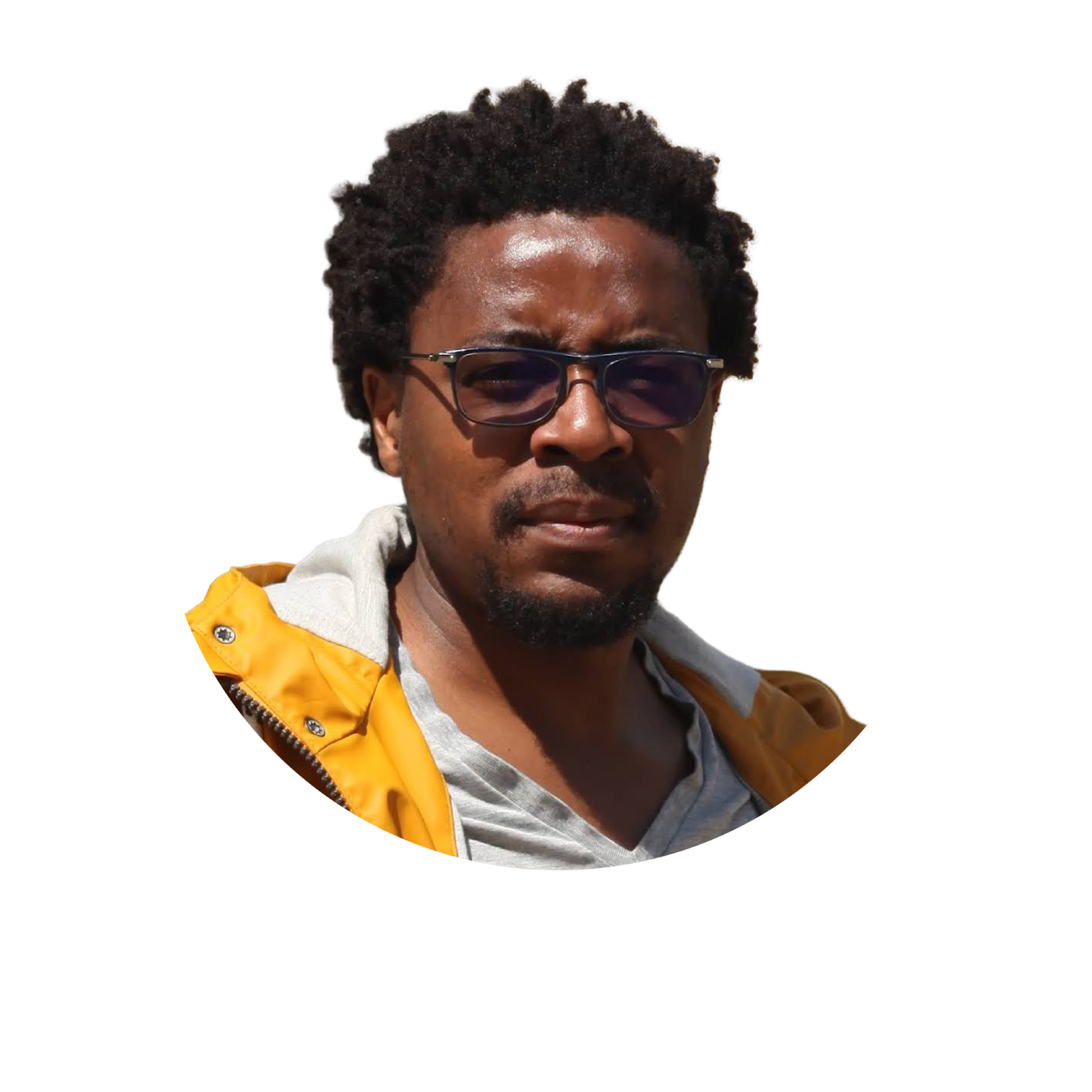
Energy engineer with a PhD specialising in marine propulsion and four-stroke engine performance.
Co-founder
Engineer with a PhD specialising in numerical simulation of coupled engine–propeller–vessel systems, with maritime and offshore engineering experience.
Together, we develop simulation tools and methods to analyse marine propulsion systems, compare solutions and support engineering decisions.
Contact
Are you working on a propulsion, retrofit, energy-integration or system-simulation challenge? We offer an initial discussion to understand your needs, the available data and the decisions you are seeking to inform.
OceanEngine is currently in development and in dialogue with maritime-sector organisations. Industrial feedback, exploratory studies and technical collaborations are welcome.
Arrange an initial discussion contact@oceanengine.frNantes, France